
How a Child Sees Time




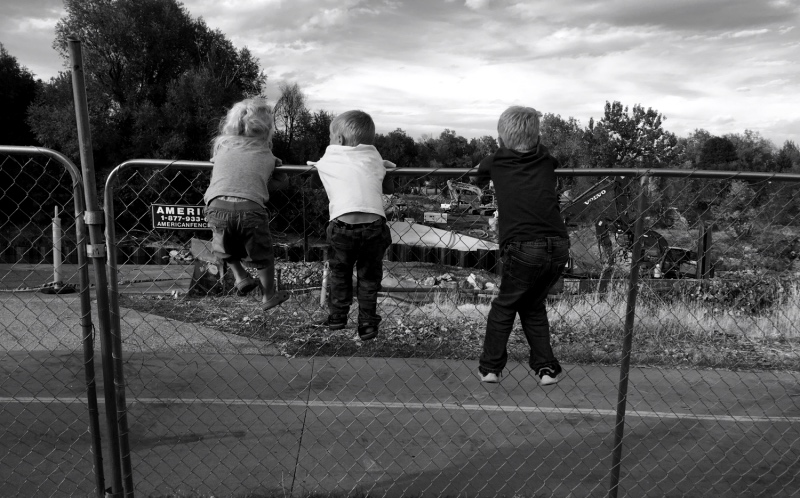
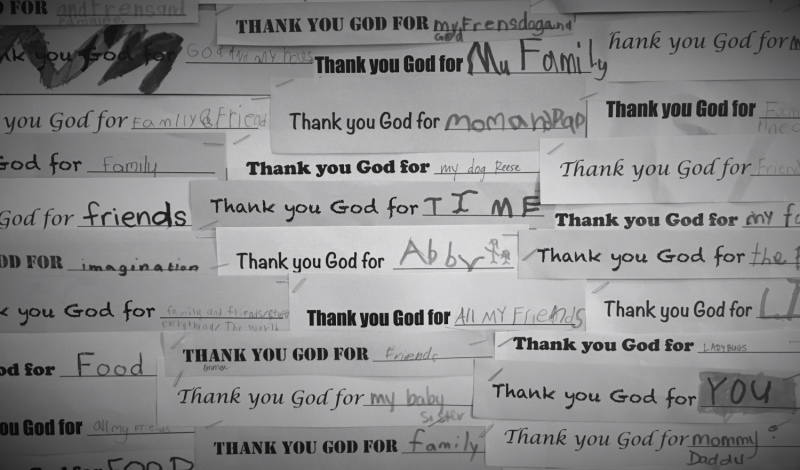
I was stunned, stopped by that small word staring at me. How many times had I passed by it before? I stood in the large room at the center of our childrens’ Sunday school classes. The neon slips had caught my attention, and I stopped to scan the unruly handwriting on each one. “Thank you God for __________”. Children’s gratitude lists filled in the blanks, everything from “family and friends” to “food” to “toys”. I wondered which ones were markered by my own boys.
That’s when I saw it, nearly smack-dap in the middle, sandwiched between two little children thankful for their friends, “Thank you God for TIME”
Maybe it is children who have a broader concept of time’s mechanics. A child not yet able to decipher the hands on a clock face or the numbers read by digital lines comprehends far better than I do how time was meant to be spent. My own children do, anyways. They naturally come by what I strive for every single day: how to best use my time.
It is only recently that my seven-year-old seems to be grasping time’s limits. While his three-year-old brother goes about each day with little care of the clock, Zeke’s questions are laced with limit, “Mom, do we have time to go to the park today?” and, “Mom, will I have time to work on my project after dinner?” It has become a resource to him, as well as a language of gifts. “Mom, sometimes you work too much and don’t have time to play with us.”
Time is something we give, he understands. Or something we hold back.
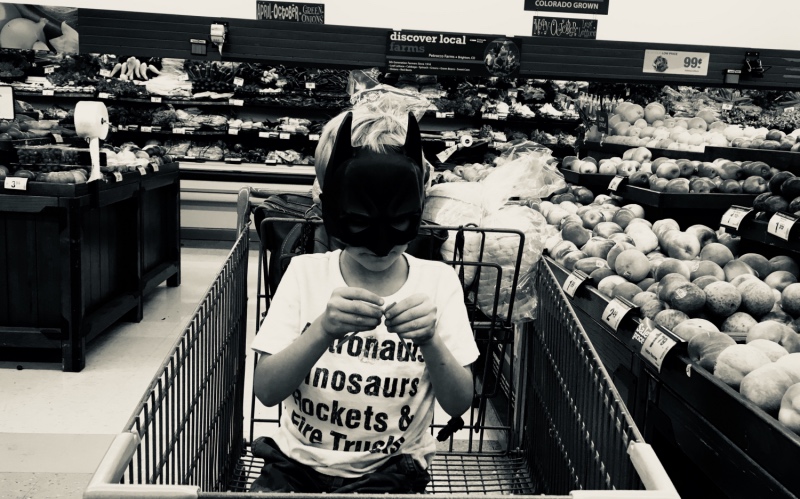
This afternoon the wind blew wild outside, and above it I heard only the laughter of my two boys and the neighbor boy from across the fence, jumping on his trampoline, wild as that wind. They were not thinking about time for homework or time for dinner or time for cleaning or time for bed or time to be done.
They thought about jumping.
Sometimes I wish I thought more about jumping, too.
What if I took a lesson from my three-year-old and learned to focus on what, or rather who, is right in front of me?
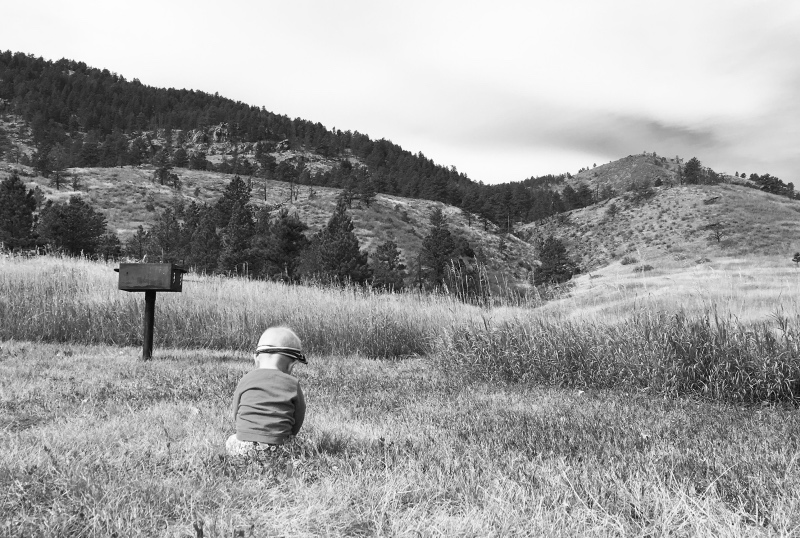
Or what if thought about time in the context that my infant daughter does, as she lays in the grass and watches clouds drift overhead?
What if I stopped to really listen to what my son is asking for when he asks me to join in on his project? Maybe I would realize it has nothing to do with Legos or coloring or fort building, and everything to do with time.
What if I re-learned how to give time as recklessly as they do?
Children don’t feel the push and pull and restraints and frustration of time that us adults do. They see it as a gift. I’m learning to also. It’s a messy lesson, full of re-starts. But I’m training each day to wake up and stop myself before I utter to God, “I need” or “Please help…” or “Will You…” and instead to whisper these reset-the-soul words: “Thank You for today. It is a gift.”
“Teach us to number our days,” The Psalmist begged, “that we may gain a heart of wisdom.” Wisdom, I am sure, to invest our moments, to be faithful with our hours, to set a course for our days, and, certainly, to count them as a gift. A gift given to us, and one that we are called to give away.
Thank you God, for time.

learn more
Raising kids stirs something deep in our souls — an innate knowing that our time is finite. Taking my kids outside in creation, I’m discovering how to stretch our time and pack it to the brim with meaning. God’s creativity provides the riches of resources for teaching the next generation who He is and how He loves us. Join our adventure and discover inspiration and resources for refusing rush, creating habits of rest, living intentionally, and making the most of this beautiful life!
I'm Eryn, Master Naturalist, Author, & Bible Teacher
Hey there!

Receive free inspirational resources for refusing rush, creating habits of rest, parenting with intentionality, and teaching our kids who God is through what He has made!
Inspired
Be


The Nature of Rest
What the Bible and Creation Teach Us About Sabbath Living
Now Available!
Order
X
Signed Copy
Add a Comment